
Guide
How to Prep Cards for Grading
The six steps every card gets on our bench before it goes to PSA, BGS, SGC, or CGC — what to do, the tool for each step, and the handful of things that turn a clean card into an "Altered" one. Rather not do it yourself? We prep and pre-grade cards for $10 each.
Most damage happens before anyone touches the card: grit on a bare desk, a card slid instead of lifted, a corner caught on a sleeve edge. Every step below is about not being that person.
- 1
Set up a clean, lit workspace
Work on a soft, non-abrasive mat — here's the one we use — under a bright light you can hold at a low angle to the card. The light is what lets you see the surface; the mat is what keeps the desk from scratching it.
- Wash and dry your hands; no lotion. Handle cards by the edges only.
- Light from the side, not above. A raking light shows surface scratches and print lines that overhead light hides.
- Keep sleeves, wipes, and the card you're working on in separate zones so nothing gets dragged across anything.
Gear: Workspace Mat · Neewer LED Light · Tabletop Tripod
- 2
Evaluate before you clean
Look at every card under magnification first and decide whether it's worth the grading fee at all. Corners, edges, centering, surface — in that order, front then back. Write down what you find; you're about to spend $20–$80 per card on a grader's opinion, and most cards don't deserve it.
- Corners: sharp, or soft? A single touched corner caps most modern cards at a 9.
- Edges: chipping shows as white flecks on dark borders; check both sides.
- Centering: compare left/right and top/bottom borders. PSA allows up to 60/40 on the front for a 10 and 65/35 for a 9; past that you're looking at an 8 or lower no matter how clean the card is.
- Surface: tilt under the light for scratches, print lines, dimples, and wax or fingerprints — the last two are what cleaning fixes.
Gear: Digital Microscope · Neewer LED Light
- 3
Clean the surface — and nothing else
Cleaning is strictly surface-level: fingerprints, dust, wax residue, and debris. A drop of card-care solution on a microfiber cloth, light pressure, one direction, then a dry cloth. Lint-free wipes for the edges. A buffing pad only on chrome or foil, and only for residue a cloth won't lift.
- Never use water, household cleaners, or alcohol. Paper stock absorbs; foil layers lift.
- Never scrub. If it doesn't come off with light pressure, it's in the card, not on it.
- Vintage paper stock: cloth only, dry. Anything wet stains.
- Re-check under the light when you're done. Cleaning reveals scratches as often as it removes residue.
Gear: Kurt's Card Care Kit · MagicFiber Microfiber Cloths · Lint-Free Cotton Wipes · Buffing Pads
- 4
Flatten a bowed card
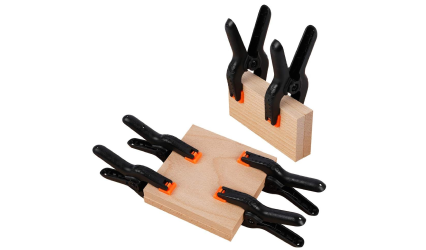
Modern chrome and foil cards often arrive with a slight bow that reads as a surface flaw in the holder. Sandwich the card (in a penny sleeve) between two flat plexiglass plates, clamp evenly, and leave it overnight. Check in the morning; repeat once if needed.
- Even pressure across the whole card. A clamp on one edge creates a new bend.
- Room temperature. Heat, irons, and hair dryers alter the card and can delaminate foil.
- If it doesn't flatten in two nights, it won't. Grade it as-is or don't grade it.
Gear: Plexiglass Plates · Plexiglass Clamps
- 5
Sleeve it the way the grader wants
Penny sleeve first, then a semi-rigid holder. PSA asks for Card Saver I; BGS, SGC, and CGC accept semi-rigids too. No top loaders, no screw-downs, no tape anywhere near the card — the intake team removes every card by hand and a taped sleeve is how corners get bent on arrival.
- Slide the penny-sleeved card into the semi-rigid from the open end; never force a tight fit.
- One card per holder. Nothing written on the holder.
- Stack in the order on your submission form so the grader's intake matches your paperwork.
Gear: Card Saver I Sleeves
- 6
Pack and ship with tracking and signature
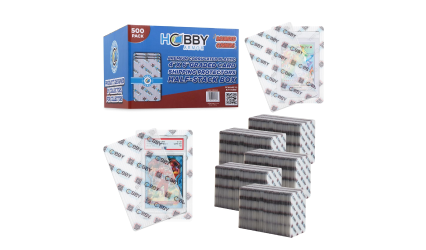
Make the stack rigid: cards between two 4×6 protectors, in a team bag or wrapped so nothing shifts, in a box with padding on all six sides. Ship with tracking and signature confirmation, insured for what the cards are worth. Photograph the packed box before it closes.
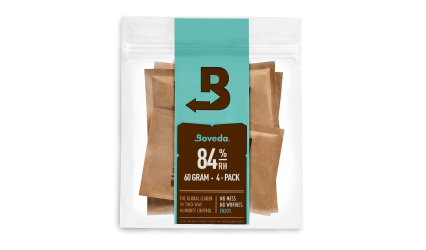
- A humidity packet in the box for anything sitting more than a day or two in transit.
- Put a copy of the submission form inside and your contact info on it.
- Keep the tracking number where you'll find it; graders take weeks and you'll want the proof of delivery.
Five things that get a card marked "Altered"
Graders can tell. A card that comes back Altered or Evidence of Trimming is worth less than it was raw, and there's no undo.
- Never trim an edge
- Any change to the card's dimensions is trimming. Graders measure; a trimmed card comes back "Altered" and is worth less than it was raw.
- Never recolor, touch up, or fill
- Markers on a chipped border, filler in a crease, a pen on a scuffed logo. Even done well, it's card doctoring and it gets caught.
- Never use water, solvents, or erasers
- Paper absorbs and stains; foil lifts; erasers leave a dull patch a grader reads as surface damage.
- Never apply heat
- Irons, hair dryers, and dashboards warp and delaminate. Pressing is pressure at room temperature, or nothing.
- Never handle raw cards over a bare desk
- One grain of grit under a card that's slid instead of lifted is a surface scratch on an otherwise clean 10.
The kit
Everything named in the steps above, in one place. If you buy two things, make them the sleeves and the light.
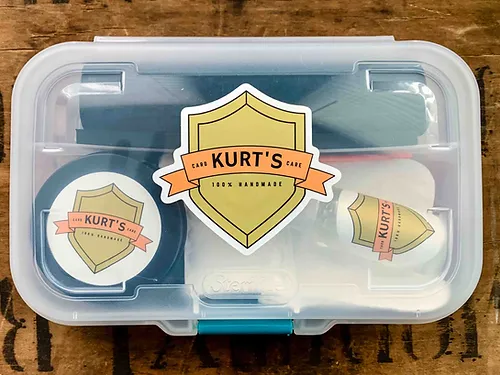
Kurt's Card Care Kit
The cleaning solution and applicators we start every raw card with.
View on Amazon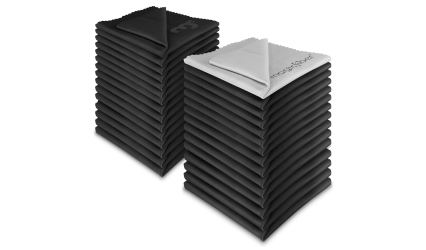
MagicFiber Microfiber Cloths
Won't scratch or shed on a card surface. One for wet, one for dry.
View on Amazon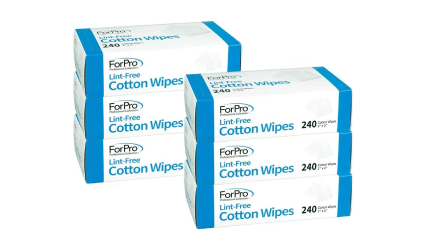
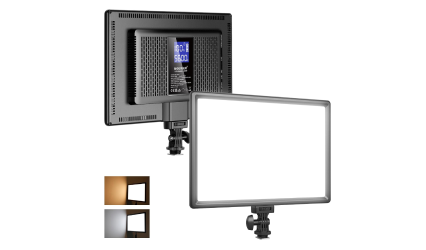
Neewer LED Light
Raking light across the surface is what shows print lines and scratches.
View on Amazon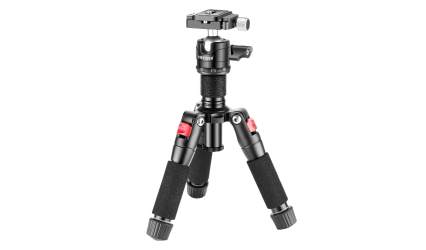
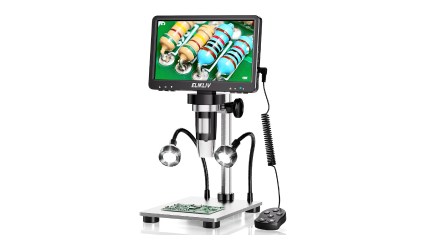
Digital Microscope
Corners and edges at 50× — the difference between a 9 and a 10 lives here.
View on Amazon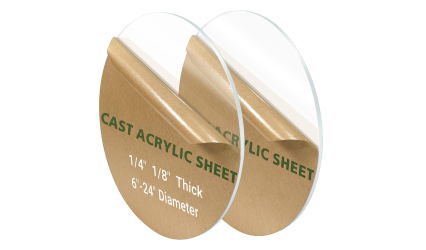
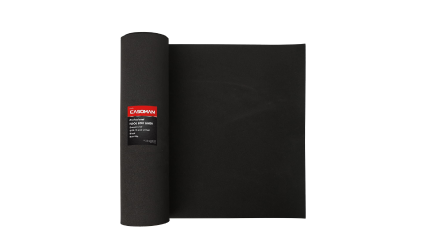
Workspace Mat
Soft and non-abrasive, so a card can sit face-down without picking up a scratch. Grit on a bare desk is how corners get dinged.
View on Amazon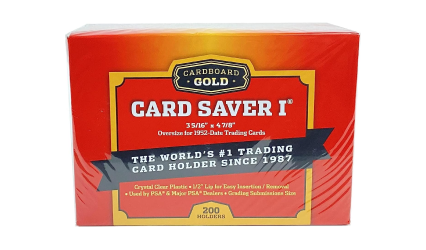
Questions
- Is cleaning a card considered altering it?
- No. Removing fingerprints, dust, and wax residue from the surface is normal handling and graders expect it. Altering means changing the card itself — trimming, recoloring, filling, pressing with heat, or anything that adds or removes material. We never do those, and you shouldn't either.
- Should I clean a vintage card?
- Dry microfiber only, and only if there's loose dust or a fingerprint. Vintage paper stock absorbs anything wet and shows it as a stain. If a vintage card has residue a dry cloth won't lift, leave it.
- What sleeve does PSA want cards submitted in?
- A penny sleeve inside a Card Saver I semi-rigid holder. No top loaders, screw-downs, or one-touch magnetics — PSA will remove cards from those and may charge for it, and hard cases are how corners get damaged at intake.
- How do I know if a card is worth grading?
- Evaluate it honestly before you do anything else: a soft corner or off-center print caps the grade, and the grading fee is the same for a 7 as for a 10. Work out the likely grade, look up what that grade sells for slabbed versus raw, and subtract the fee and shipping. If the number isn't clearly positive, don't grade it.
- Can I just have you do all of this?
- Yes — that's the service. We evaluate every card under magnification, clean and press what benefits from it, sleeve it for the grader, give you an estimated grade and a recommendation, and submit only what you approve. $10 per card, no minimum, and you don't buy any of the gear.
Have the cards but not the time?
Send them to us. Every card gets this exact process plus an estimated grade and a recommendation, and nothing is submitted without your approval.
Get PreppedFind Me Elsewhere
Let's connect
beyond the portal.
Discord Community
Great Discord for buying, selling, and trading. I'm active here too.
Join The DiscordStay In The Loop
Get grading tips, market insights, and exclusive offers.